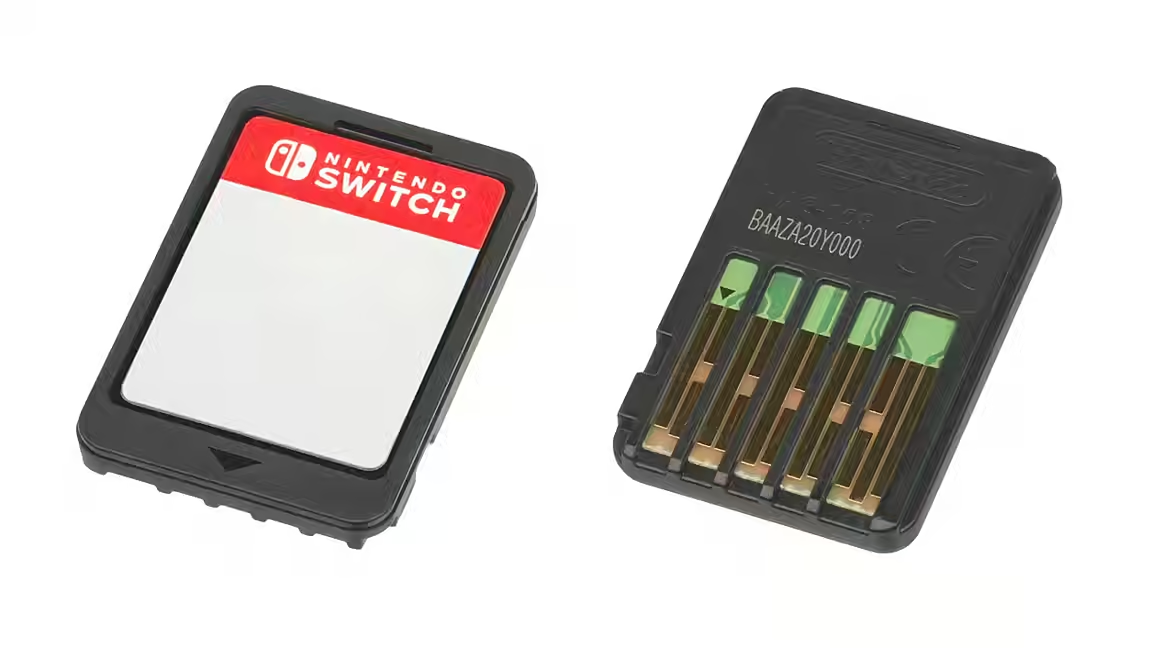
Nintendo’s physical-game supply chain faces a new constraint after Macronix said it is ending production of the ROM chips used in game cartridges and gradually stepping away from the games business. The change does not mean Nintendo is abandoning cartridges, but it could narrow the company’s supplier options and increase the cost of manufacturing physical releases.
Macronix has been described by analyst David Gibson as Nintendo’s main memory-chip supplier for physical cartridges. According to reporting based on the manufacturer’s third-quarter results, ROM output has fallen 39% over the past year and now accounts for only 5% of Macronix’s business. The company can use the same manufacturing space for products with stronger demand and margins, including NOR flash, NAND memory and embedded multimedia cards.
The capacity trade-off is particularly important because Macronix currently produces about 25,000 12-inch wafers per month. The company has outlined $1.2 billion in additional capacity, but bringing it online is expected to take at least a year. Until then, each wafer devoted to low-margin ROM production displaces other memory products at a time when demand from artificial-intelligence infrastructure is tightening the broader market.
Nintendo has said it does not plan to stop selling cartridge-based games in the near term. It can also buy ROM components from other manufacturers, including Rohm and Lapis Semiconductor. However, shifting more orders to a smaller group of suppliers may reduce purchasing flexibility and expose publishers to higher component prices.
Cartridge economics already influence how games are packaged and priced. Nintendo has charged more for some physical editions than equivalent downloads, while publishers have looked for lower-capacity cartridges to reduce manufacturing costs. Japanese publisher Inin previously linked its decision to offer a complete Switch cartridge edition of *R-Type Dimensions III* to the availability of smaller, less expensive storage options.
The longer-term effect will depend partly on how quickly players move toward downloads. Digital software represented 61.5% of Nintendo’s business in the second calendar quarter of 2026, slightly higher than a year earlier. Continued digital growth could reduce the number of cartridges Nintendo and third-party publishers need, offsetting some supply pressure.
For now, Macronix’s decision highlights a less visible consequence of the memory boom: mature components used in established consumer products must compete for factory space with faster-growing categories. Nintendo retains alternatives, but maintaining a large physical-game business may become more expensive as its largest reported ROM supplier withdraws.