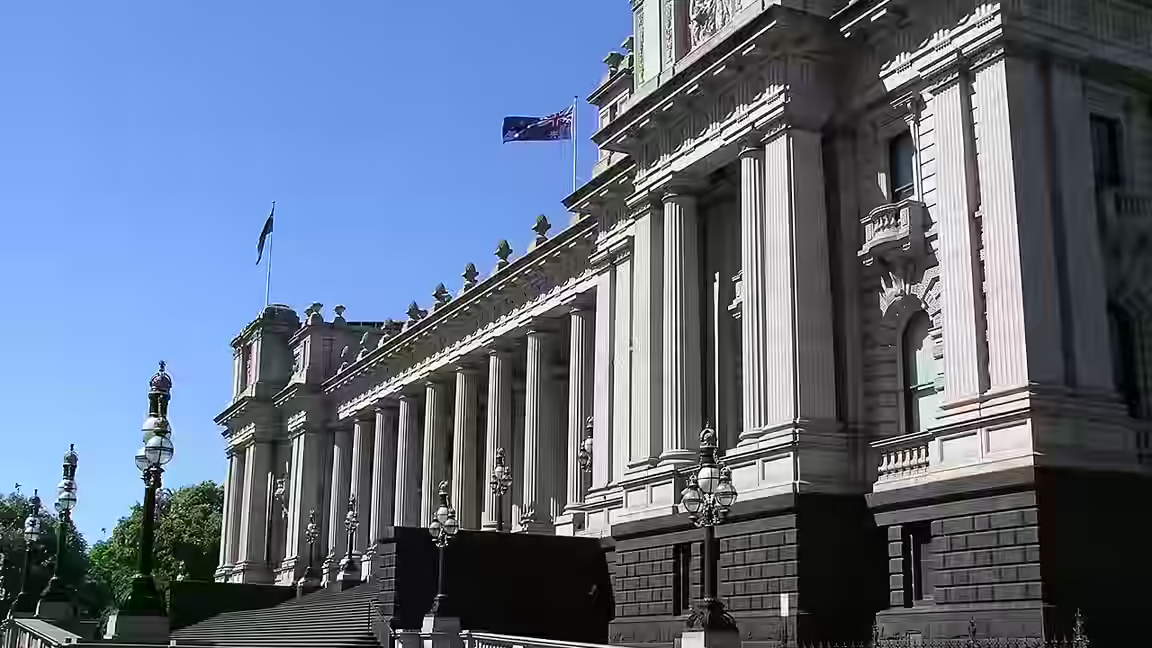
Liberal leader Jess Wilson is set to become Victoria’s next premier after the Coalition defeated Labor at the state election, ending 12 years of Labor government. Labor leader Ben Carroll conceded before 8:30 p.m. on election night and also lost his own seat of Niddrie, according to ABC News Australia.
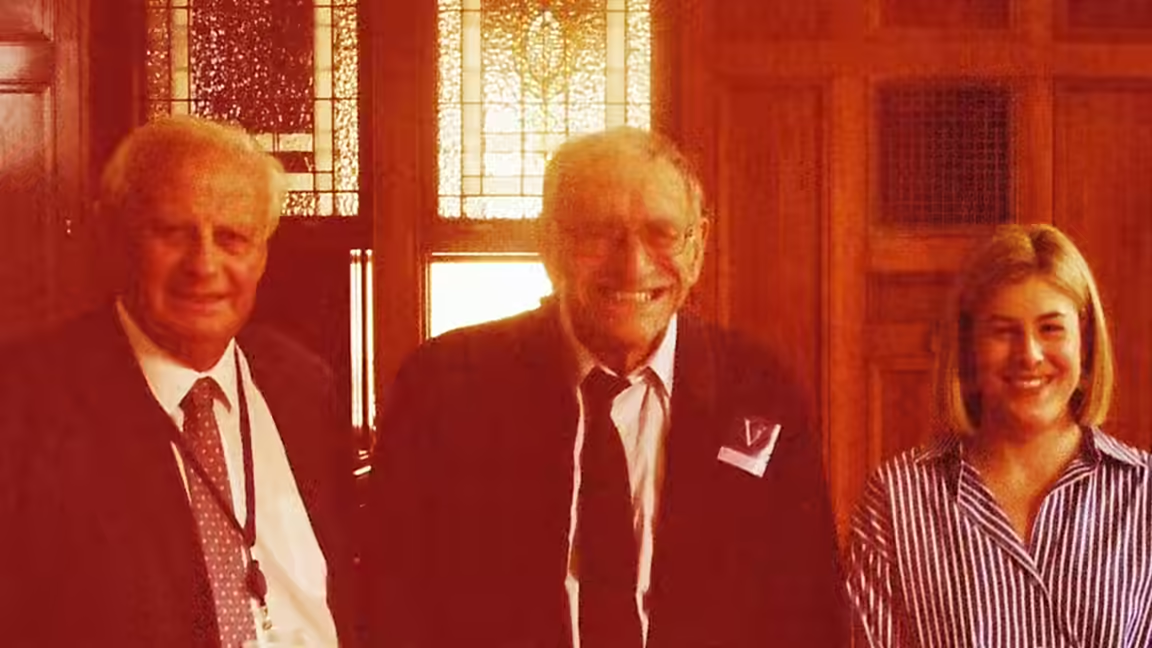
Wilson, 36, will be Victoria’s first popularly elected female premier. Her victory completes a rapid rise from entering state parliament as the member for Kew less than four years ago to taking the state’s top political office. She became the first woman to lead the Victorian Liberal Party after replacing Brad Battin in November 2025.
In her election-night address, Wilson said voters had given the Coalition a mandate for a fresh direction and promised to govern for all Victorians. She also cautioned that repairing the state’s problems would take years rather than happen immediately. Her campaign emphasized crime, road maintenance and government debt, issues the Liberals used to argue that Labor had become disconnected after more than a decade in power.
The Coalition’s return marks a sharp reversal after a long period in opposition. It last won a Victorian election in 2010 and served a single four-year term before Labor returned to office. Wilson’s ascent also follows repeated leadership changes inside the Liberal Party, which had changed leaders five times in seven years before settling on her.
Carroll accepted responsibility for what he called a significant loss and said Labor would need to listen to voters and rebuild trust over the next four years. His concession speech acknowledged the public’s demand for change while defending parts of Labor’s record. Deputy Labor leader Gabrielle Williams described the result as devastating and pointed to community anger over allegations of corruption in the construction sector.
Carroll had become premier and Labor leader only in July, replacing Jacinta Allan. He sought to distance his government from earlier administrations and called a royal commission into allegations of crime and corruption on major infrastructure projects. That reset was not enough to overcome voter dissatisfaction associated with integrity concerns, crime and rising state debt.
Policy choices announced late in the campaign are now likely to receive close scrutiny. Two days before polling, the Coalition proposed partial privatization of Melbourne’s sewerage network, changes to level-crossing removal projects and a retreat from Labor’s planned expansion of free kindergarten. Labor, the Greens and One Nation criticized those proposals, particularly because 2.2 million people had already voted early.
Wilson now moves from campaigning to forming a government, while Labor begins an internal reckoning after losing both office and its leader’s seat. The result gives the Coalition its first chance in more than a decade to translate its campaign themes into policy.