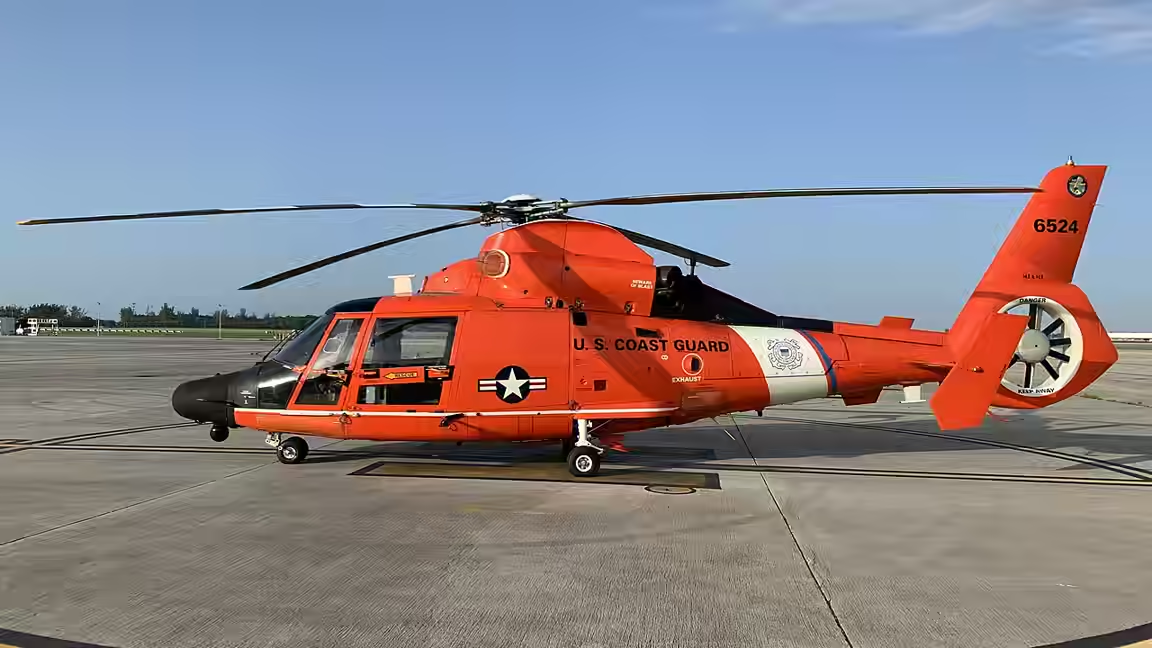
The aircraft went down at about 6 a.m. local time, or 03:00 GMT, at the Ras Tanura terminal. The supplied reports did not identify the helicopter model, describe its flight plan or say whether those aboard were employees or contractors. No survivor was reported.
Authorities opened an investigation, and the cause remained unknown as of the event date. That left central questions about the aircraft's condition, the weather, operations at the terminal and the sequence before impact unanswered. Officials sent condolences to the victims' families but released few immediate details beyond the location, time and toll.
Ras Tanura sits on the Gulf west of the Strait of Hormuz and is a major point in Saudi Arabia's oil-export infrastructure. Saudi Aramco had resumed crude loading there on the Friday before the crash after an interruption lasting nearly four months during the US-Israeli war with Iran. The timing placed the accident against a backdrop of renewed terminal activity, although the supplied evidence did not establish any connection between the crash and oil-loading operations.
The loss of 14 people made the incident a significant aviation and workplace disaster. A credible inquiry would be expected to examine maintenance records, crew qualifications, communications, weather and any available flight or site data. Until investigators reported, none of those possible factors could responsibly be identified as a cause.
The two supplied accounts agreed on the essentials: the aircraft belonged to Aramco, it crashed in Ras Tanura on Sunday, 14 Saudi nationals died and the cause was not known. Further information, including the victims' identities and the helicopter's mission, was not available in the evidence packet. The investigation's eventual findings would be needed to explain how the accident occurred and whether any operational or technical changes were required.