Britain will contribute drones, fighter jets and a warship to a multinational mission aimed at safeguarding shipping in the Strait of Hormuz, the Ministry of Defence said in a report carried by the source excerpt. The package is part of an effort to keep one of the world’s most important oil and gas routes open while conflict in the region continues to disrupt maritime traffic.
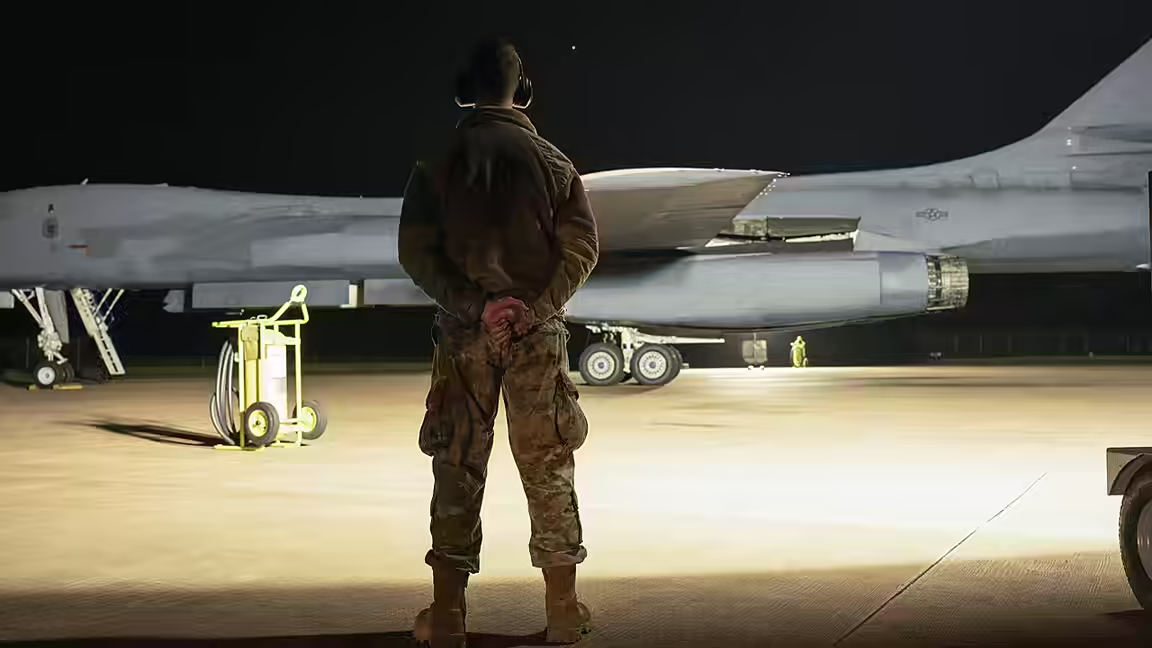
The reported contribution includes autonomous mine-clearing systems, drone boats and Typhoon jets for air patrols. The Ministry of Defence said more than 40 other nations are involved and that the mission will begin when conditions allow. That phrasing suggests a force being assembled for a highly sensitive operating environment rather than an immediately active deployment.
The article also says the UK’s contribution is backed by new funding and that HMS Dragon, already on its way to the Middle East, will be ready for any mission to secure the strait. A second ship, RFA Lyme Bay, is being upgraded for possible use. Those details show that the British role is not just rhetorical; it involves specific assets already moving or being prepared.
The broader strategic context is obvious from the excerpt. Iran has been controlling the Strait of Hormuz in retaliation for U.S. and Israeli attacks, while Washington has enforced a blockade of Iranian ports. The result has been a dangerous standoff in a waterway that carries roughly 20 percent of the world’s oil and liquefied natural gas.
The Ministry of Defence says the mission is defensive and intended to restore confidence for commercial shipping. That wording is important because it separates the effort from offensive action. Britain is not claiming it can end the conflict. It is saying it can help reduce the maritime risk that conflict creates.
The excerpt also notes that more than 1,000 British personnel are already in the region on existing defensive operations, including counter-drone teams and fast jet squadrons. So the new package builds on an existing footprint rather than representing a wholly new deployment.
The political framing in the report is also worth noting. Defence Secretary John Healey presented the mission while backing the prime minister amid domestic pressure, but the military rationale remained centered on Hormuz. Downing Street said reopening the strait was the number-one priority so that international shipping could resume.
Taken together, the report shows a government trying to reassure markets and allies that the route can be protected, even as the region stays volatile. Britain’s choice of aircraft, ships and mine-clearing assets suggests the threat is being treated as maritime, aerial and asymmetrical all at once.
Source basis: the UK defence report for the mission details, the mission’s defensive framing and the Hormuz security context.