A small passenger aircraft crashed southwest of Juba, South Sudan, killing all 14 people aboard, the country's civil aviation authority said. The dead were 13 passengers and the pilot on a CityLink Aviation flight from Yei to the capital.
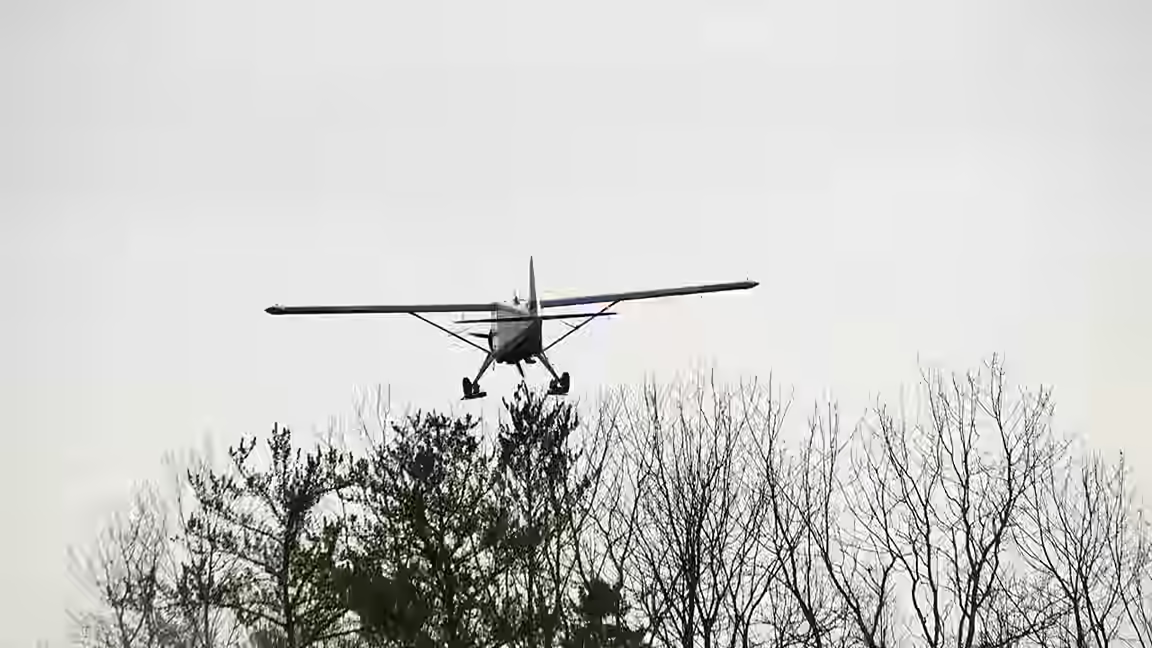
The Cessna 208 Caravan took off from Yei at 9:15 a.m. local time on Monday. Air traffic controllers lost contact with it about 30 minutes into the journey. The wreckage was located roughly 20 kilometers, or 12 miles, southwest of Juba, and the South Sudan Civil Aviation Authority dispatched investigators to the site.
The passenger manifest listed 12 South Sudanese citizens and two Kenyans among those killed. Early information suggested adverse weather and low visibility may have contributed, according to the authority, but that remained a preliminary possibility rather than a confirmed cause. Images shared from the scene showed burning wreckage in an area described as hilly and misty.
The final toll corrected an earlier report that 15 people were aboard. Both the BBC and Associated Press later reported 14 deaths based on the authority's updated information: 13 passengers and one pilot. That revision is important because the initial manifest circulated after the crash overstated the number on the flight.
South Sudan relies heavily on aviation in part because its ground transport network is poorly developed. The industry, however, has a record of fatal accidents. More than 55 aircraft crashed in the decade after the country gained independence in 2011, causing dozens of deaths, according to the supplied BBC account. Aging aircraft, weak compliance, overloading, weather and pilot error have been cited across past incidents, though none of those general factors establishes the cause of Monday's crash.
In January 2025, 20 oil workers were killed when an aircraft bound for Juba crashed shortly after leaving an oil-field area in Unity state. A November 2015 Antonov crash near Juba airport killed 41 people. These earlier disasters form part of the safety context facing national regulators, but the CityLink accident required its own evidence and investigation.
The immediate inquiry was expected to examine the aircraft, operational records, weather and visibility, and the loss of communication during the short domestic route. The civil aviation authority's team had the task of moving beyond the first weather-related assessment to determine a supported cause.
For now, the verified account is that contact ended roughly half an hour after takeoff and everyone aboard died. Any finding about why the Cessna came down remained pending, while authorities worked at a crash site outside the capital.