Asia-Pacific markets open mixed as ceasefire extension fails to calm investors
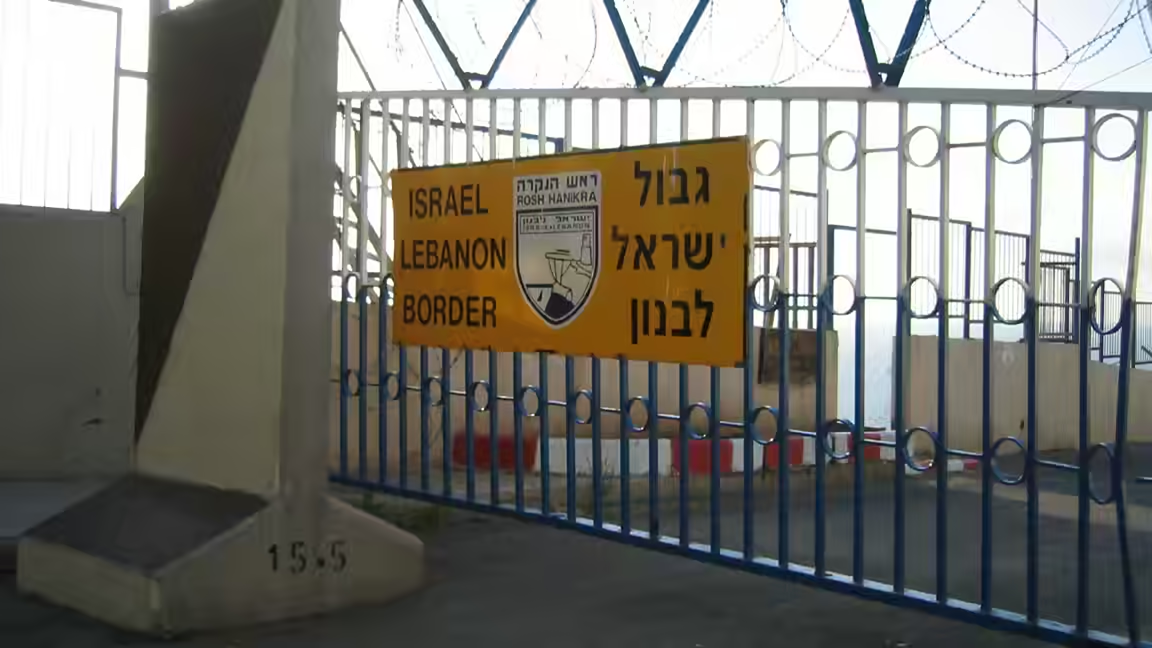
Traders remained cautious after a three-week extension of the Israel-Lebanon ceasefire, leaving regional equities without a clear direction.
Asia-Pacific markets traded mixed after a three-week extension of the Israel-Lebanon ceasefire failed to give investors a stronger sense of relief. The packet's source material is short, but the message is plain: a temporary easing of one geopolitical risk was not enough to pull regional markets into a confident rally.
Mixed trading is often what investors do when a headline removes the most immediate fear but does not change the underlying outlook. A ceasefire extension can reduce the probability of an immediate escalation, yet it still leaves plenty of questions unanswered. How durable is the pause? Will diplomacy hold? Could the next headline reverse the improvement just as quickly as it arrived? When traders do not have good answers, they usually split into different camps rather than moving together.
That is especially true in Asia-Pacific sessions, which are often the first major markets to digest overnight geopolitical news. The region is a natural early warning system for global risk appetite. If investors feel better about the world, they tend to buy into that mood early. If they remain unsure, the opening can be choppy, with some assets firmer and others weaker. The source material says exactly that happened here: markets traded mixed, and investors stayed cautious.
The ceasefire itself matters because geopolitical risk does not stay isolated in one arena. It can affect energy prices, shipping routes, currency sentiment and the willingness of global investors to take on risk. Even when the immediate danger is reduced, markets often continue to demand a premium for uncertainty. A three-week extension may have been enough to stop panic, but it was not enough to erase the risk premium attached to the wider Middle East backdrop.
The packet does not list individual indexes or sector moves, so the article should not pretend to know which market was up or down. What it does show is the tone of the session, and that tone was hesitant. Traders did not rush into a full relief trade, suggesting that they viewed the extension as a pause rather than a solution.
That distinction matters. Markets tend to reward clarity, and temporary arrangements rarely provide it. In this case, the extension bought time but not conviction, leaving Asia-Pacific equities to open without a single clear direction and with investors still waiting for a more durable signal.
That kind of hesitation can matter more than a simple up day or down day. When investors stay cautious after a ceasefire extension, it shows they are still assigning value to uncertainty rather than treating the headline as a durable solution. The result is a market that waits for more proof before changing direction, which is exactly what the source said happened here.
For traders, the lesson is that a temporary diplomatic pause is not the same as a market reset. They are still waiting for a signal that the risk premium can truly come out of the region.