# Oil prices rebound as traders question ceasefire durability
Event date: 2026-04-09
Oil prices rebounded as traders questioned whether the Iran ceasefire would hold, with U.S. crude climbing back toward $100 a barrel and Brent moving higher as well. The supplied NBC News report says the move came after a steep drop earlier in the week, showing just how quickly the market reversed once confidence in the truce began to fade.
The key market fact is simple. U.S. crude traded as low as about $95 and as high as nearly $103 before ending the day up more than 5.5% at almost $100. Brent crude was also up about 3% to around $98. That recovery followed a Wednesday plunge of more than 16% after the ceasefire announcement, so the price action itself tells the story of a market still driven by conflict risk rather than by settled expectations.
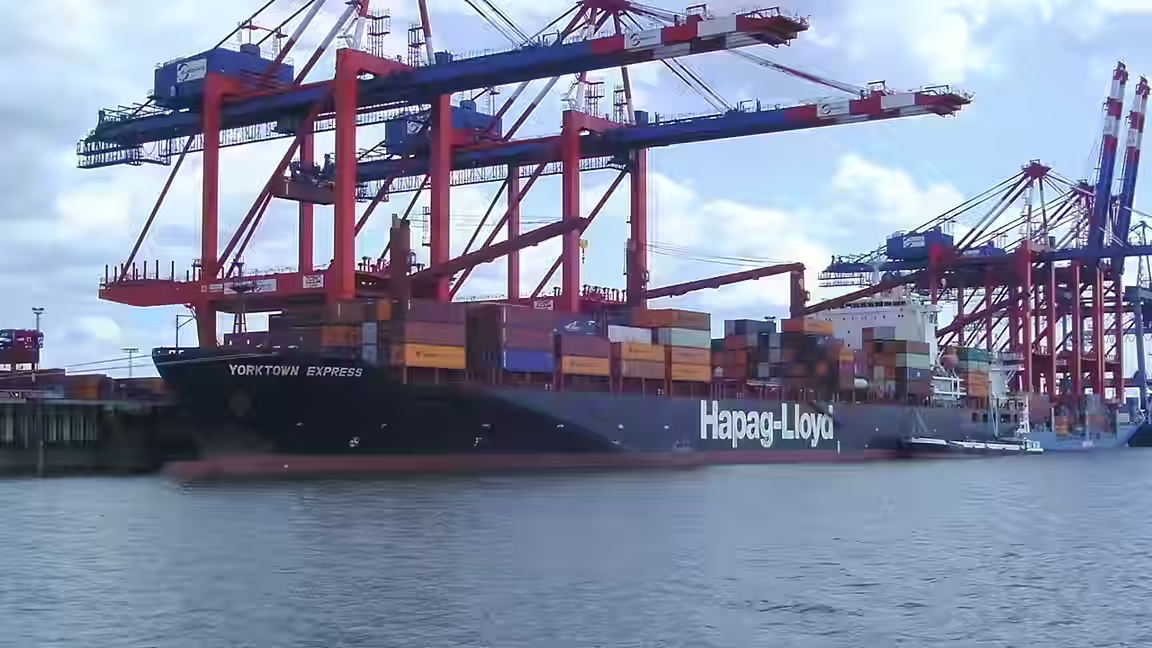
The report ties the rebound to shipping conditions in the Strait of Hormuz. Fewer than half a dozen ships were observed transiting on Wednesday, and traffic remained far below normal on Thursday. In the days before the war, hundreds of ships passed through daily. The persistent bottleneck kept uncertainty alive and made clear that the ceasefire had not restored ordinary commercial movement.
NBC also reports that Iranian media said the strait had been closed again after Israel struck Lebanon, while Iranian parliamentary speaker Mohammad Bagher Ghalibaf said the United States had violated the deal. That is an important part of the market story because it explains why traders were no longer assuming a durable peace simply from the ceasefire announcement.
The broader consumer effect was also visible. The national average gas price reached $4.17 a gallon, continuing a monthlong climb. That gives the oil move a household dimension: what happens in the strait and in futures markets can reach drivers quickly if the rebound persists.
The report should not overstate certainty on where prices go next. It notes that some of the earlier drop could still translate into modest relief at the pump, but the overall direction depended on whether traffic improved and whether the ceasefire held. As of the reporting window, neither outcome was secure.
For a newsroom report, the main takeaway is that markets were repricing the risk of renewed disruption. The ceasefire had not eliminated the strategic importance of the strait, and as long as shipping stayed constrained, oil remained vulnerable to another spike.