The crisis developed after a Gulf of Mexico trough and tropical disturbance 90E generated heavy rain from October 9. During the night into October 10, precipitation intensified and the Cazones overflowed at several points. Residents’ videos showed water entering neighbourhoods of Poza Rica, Tihuatlan and Papantla from about 5:30 a.m., leaving some families with little opportunity to evacuate.
Mexico’s National Civil Protection Coordination reported 29 deaths and 18 people missing in Veracruz in an update cited by Milenio. A separate earlier figure referenced 44 deaths across several affected states and 27 missing, including 18 deaths in Veracruz at that stage. The differing figures reflected updates issued at different points in the developing emergency. The supplied evidence did not verify the substantially higher totals contained in the initial discovery lead, so they are not included here.
In Poza Rica, the river was reported to have exceeded seven metres during the overflow. Images shared from affected districts showed submerged houses, overturned vehicles, stranded animals and people caught in fast-moving water. Residents said the official toll might understate losses, but those community claims had not been independently confirmed.
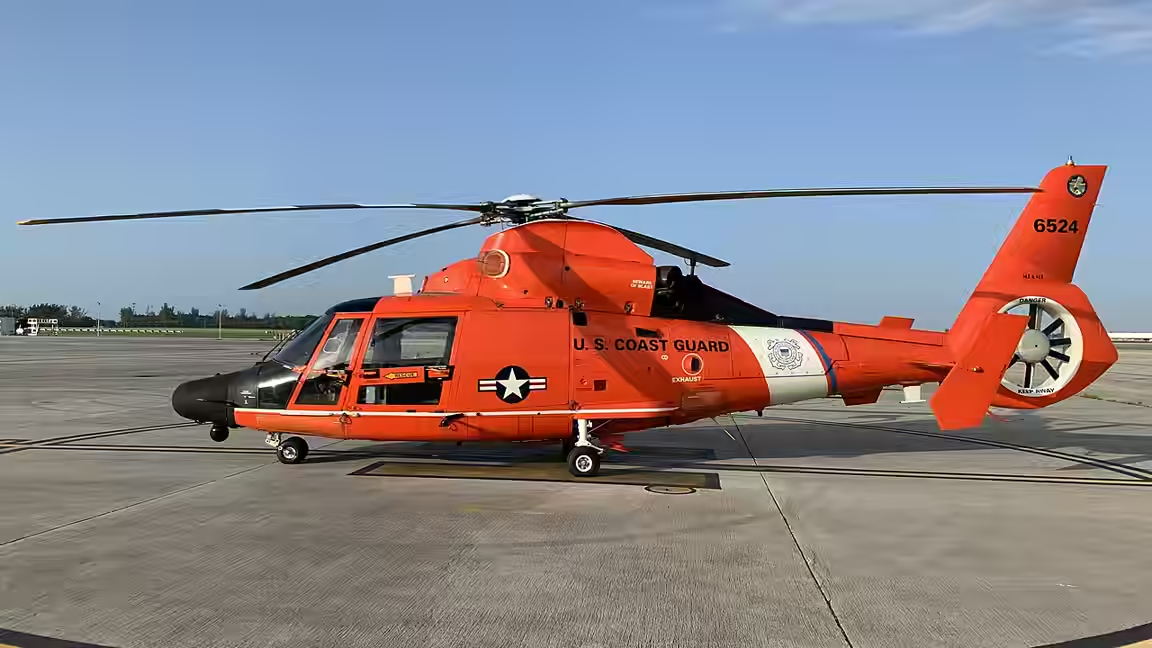
Civil protection officials said 38 municipalities in Veracruz were affected. Schools at every level closed across those jurisdictions, and three temporary shelters were opened. Air bridges were established to deliver food and water and to carry out transfers where ground access was impaired. President Claudia Sheinbaum visited the region on October 12 and said support would reach affected residents. Her government planned a census to document damage and needs.
Authorities said more intensive cleanup would begin in Poza Rica and Alamo. Those operations followed the immediate phase of rescues and sheltering, but the situation remained unsettled as searches continued and residents evaluated losses to homes and possessions. Floodwater can leave roads, utilities and buildings unsafe even after levels recede, making systematic inspections and controlled access important to recovery.
The Cazones is central to water supply, agriculture, the economy and ecosystems in northern Veracruz, so disruption along its course extended beyond the visibly flooded streets. Yet the evidence supplied for this report did not establish region-wide totals for damaged houses, schools or medical facilities.
The verified account for the event date was therefore narrower but still severe: dozens of municipalities affected in Veracruz, at least 29 confirmed deaths in the state, 18 people missing, widespread flooding and a response moving from emergency access toward cleanup and formal damage registration.