The initial death toll was based on accounts from other miners, firefighters in El Callao said on social media. That means the figure reflected testimony from the site while recovery work was still under way, rather than a completed physical count. The supplied evidence does not identify the miners, state how long they had been underground or establish whether anyone else remained unaccounted for.
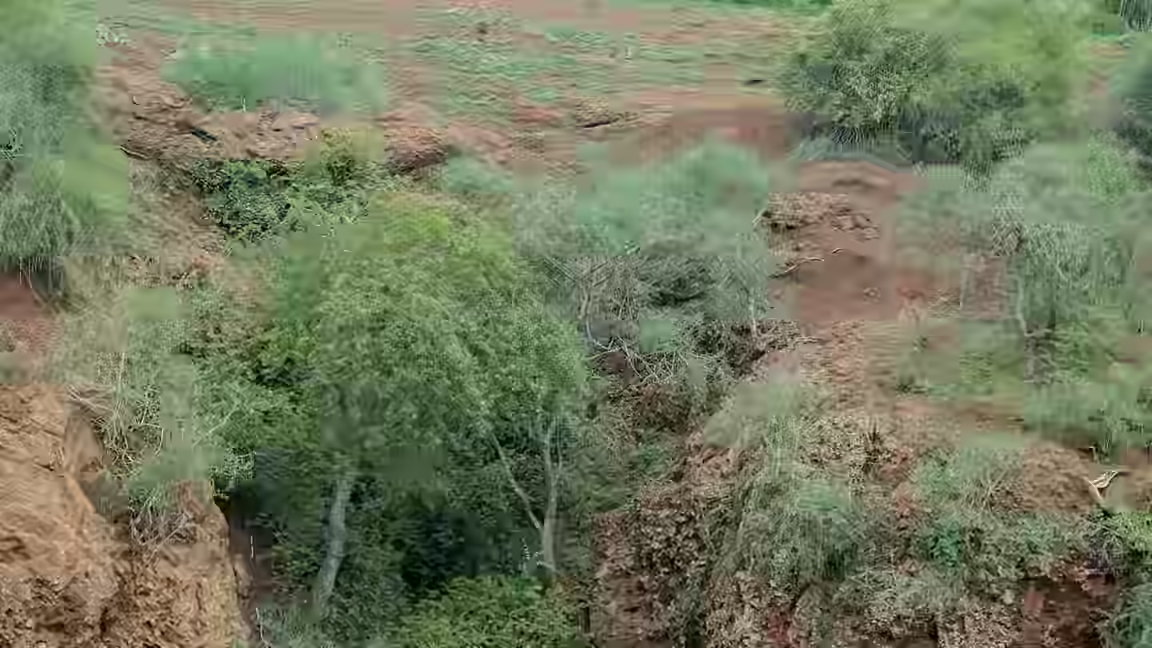
Emergency teams began by pumping water out of shafts across the affected area. Officials said lowering the water was necessary before rescuers could assess how to enter and retrieve those trapped. Flooding caused the failure of vertical mine workings locally described as ravines. Authorities did not provide further operational details or a timetable for completing the recoveries.
Brigadier General Gregory González Acevedo, head of the Operational Zones for Damage Assessment and Needs Analysis in Bolívar state, led the command post. Its stated task was to organize work to recover the 14 deceased. The involvement of a military official placed the response under a formal emergency structure, but the evidence does not describe which civilian rescue agencies, mine operators or medical services were participating.
El Callao lies about 850 kilometers southeast of Caracas and has a population of roughly 30,000. Gold mining is central to the local economy, with much of the town participating in the industry either directly or through related work. Venezuela also has deposits of copper, diamonds and other valuable minerals. The cited report says weak regulation and unsafe working conditions are common in the country's mining sector, though it does not identify a specific regulatory violation at Cuatro Esquinas de Caratal.
The disaster illustrates the particular danger posed when intense rainfall enters deep, narrow workings. In this case, water first had to be removed before the underground conditions and recovery options could be evaluated. No engineering assessment in the supplied material establishes whether mine design, maintenance, drainage or emergency preparation contributed to the collapse.
Authorities described the incident as occurring after torrential rain across the southeast. Until the shafts were sufficiently drained, the testimony-based toll and the condition of the workings remained provisional. The available evidence supports the location, reported number of deaths, three-shaft scope and recovery approach, but not a final investigation into responsibility or cause beyond the immediate flooding.