Government figures reported by TRT World put the toll in Kunar province at about 800 dead and 2,500 injured. In neighbouring Nangarhar, another 12 people were killed and 255 were hurt. The figures superseded an earlier preliminary count associated with the event and reflected the scale of destruction that became clearer after daylight.
The US Geological Survey located the earthquake about 27 kilometres from Jalalabad and estimated its depth at eight kilometres. Shallow earthquakes can produce intense shaking close to the epicentre. More than 1.2 million people were likely to have experienced strong or very strong movement, according to the agency's estimate cited in the report. Tremors were felt from Kabul to Islamabad in neighbouring Pakistan.
Many homes in the affected region are low-rise structures built with mud brick, leaving them vulnerable when the ground moves sharply. Officials said numerous houses had been destroyed. The geography compounded the damage: road blockages cut off some of the worst-affected villages in Kunar, and weak telecommunications made it difficult to establish conditions or coordinate help.
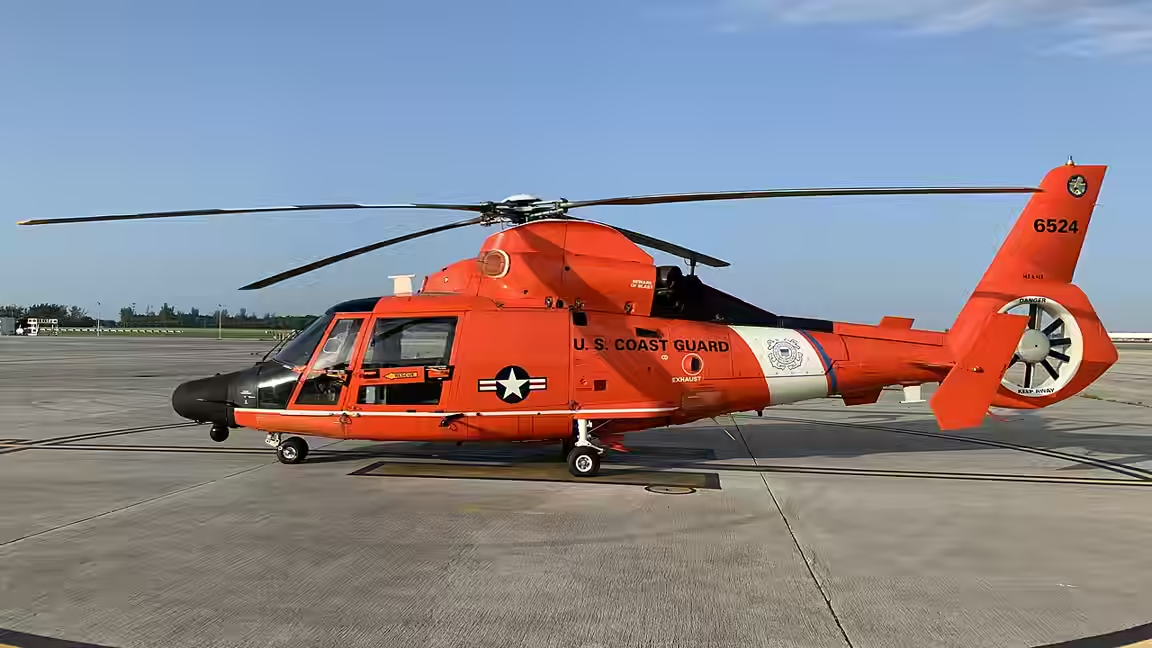
Afghanistan's authorities and United Nations agencies mobilised assistance. The defence ministry said 40 flight sorties had been conducted as responders sought to reach isolated settlements. Local people also worked to clear blocked roads, joining formal rescue teams in the effort to find survivors and move the injured. The response was still developing, and the death and injury totals were subject to change as crews gained access to communities that had not yet been fully assessed.
The disaster struck an area bordering Pakistan that has also received large numbers of returning Afghans. A local agricultural official said some residents of quake-hit villages were among people who had come back from Iran and Pakistan and were trying to rebuild their lives.
UN Secretary-General António Guterres expressed solidarity with Afghanistan, adding to condolences from the country's authorities and foreign governments. For responders, the immediate task was practical and urgent: reopen access routes, maintain air operations and get medical and relief support into mountain settlements where conventional transport and communications were severely constrained. Aftershocks added to uncertainty for survivors gathered near damaged homes. Because many isolated settlements had not been reached, officials warned implicitly through the continuing rescue mobilisation that verified totals could rise as communications and road access improved.