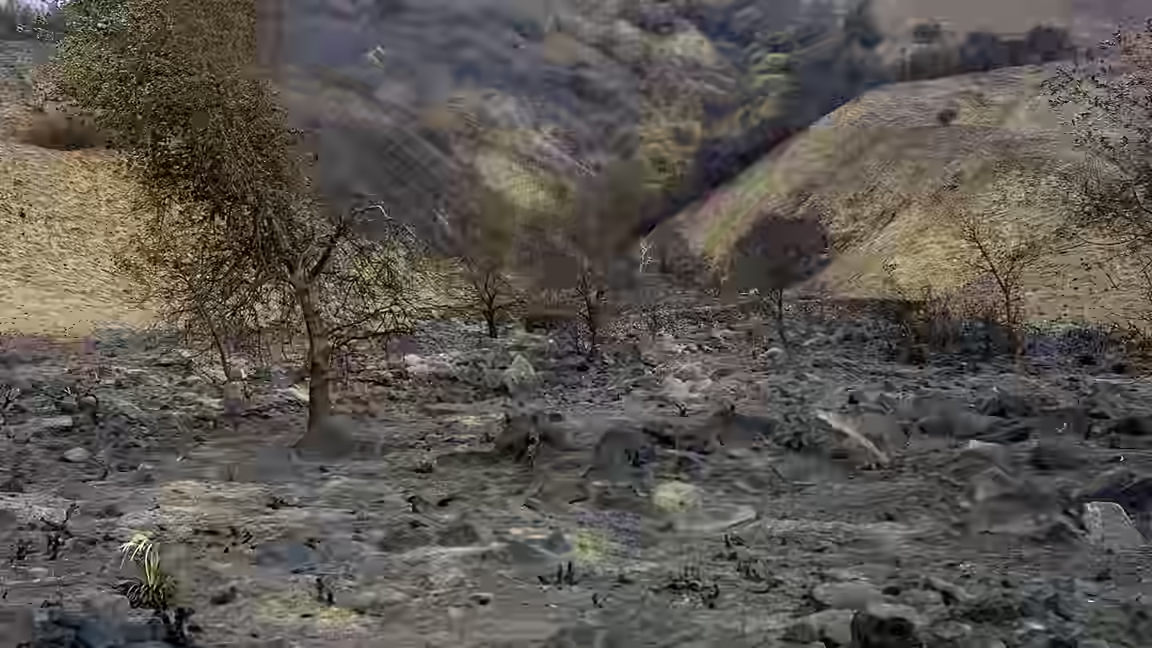
The fire began near Ribaute in the Corbières hills and spread rapidly through dry vegetation under strong winds and summer heat. Officials described it as the country's largest single wildfire since 1949, scorching an area larger than Paris. Two of the injured were in serious condition, including one person with severe burns.
More than 2,100 firefighters were deployed. The Aude prefecture said they were supported by about 90 aircraft, including water bombers, and 40 helicopters. Soldiers and three military helicopters were due to reinforce the response. Even with those resources, a senior fire official said the blaze was unlikely to be brought under control the following day because forecasts called for higher temperatures and winds above 40 kilometres per hour.
Authorities evacuated campsites and villages and told residents not to return. Seventeen temporary accommodation sites opened across the department. The principal affected communities included Lagrasse, Fabrezan, Tournissan, Coustouge and Saint-Laurent-de-la-Cabrerisse, where the fatality occurred. In Jonquières, the mayor estimated that more than half—and possibly three quarters—of the village had burned.
At least 25 homes were destroyed, dozens of vehicles burned and more than 2,500 households lost electricity. A number of roads remained closed, although part of the A9 motorway reopened after the wind changed direction. That route is important for freight and heavy summer tourist traffic between the French and Spanish Mediterranean coasts. Smoke affected places as far as 30 kilometres away and was visible from space in satellite imagery shared by Météo-France.
The region's physical landscape contributed to the risk. Lower rainfall had left vegetation dry, while the removal of vineyards eliminated some breaks that previously slowed fire movement. Scientists have repeatedly identified the Mediterranean as increasingly exposed to severe wildfires as summers become hotter and drier.
Before the Aude outbreak, France's emergency-management service had recorded almost 15,000 hectares burned in more than 9,000 fires during the summer. This single blaze added roughly the same area again, showing why national leaders treated it as exceptional. President Emmanuel Macron said national resources were mobilised, and European Commission President Ursula von der Leyen offered EU assistance. For evacuees, however, the immediate uncertainty centred on whether changing weather would permit containment or drive the flames back toward damaged communities.