Donald Trump has threatened to impose a 50% tariff on goods from the European Union, setting off an immediate slide in European markets and another wave of investor anxiety.
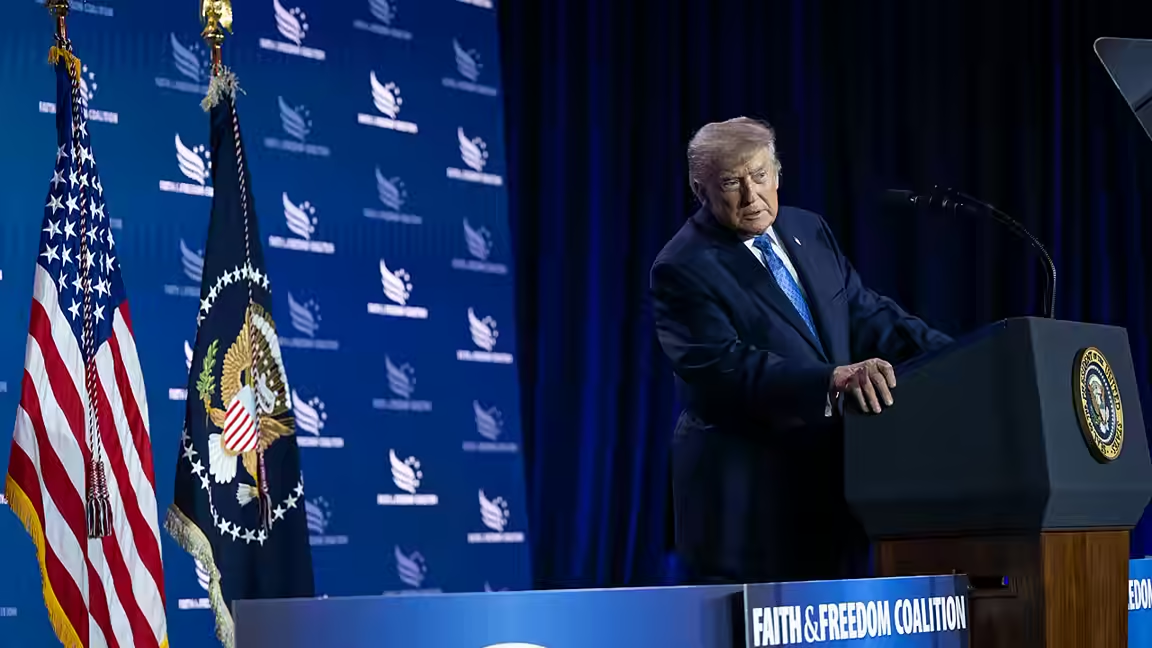
DW reported that Trump announced the proposed tariff on Friday, saying the trade talks were “going nowhere” and that the new rate should begin on June 1, 2025. In the same social media post, he criticised the EU’s trade barriers, VAT taxes and corporate penalties, arguing that the bloc had been difficult to deal with.
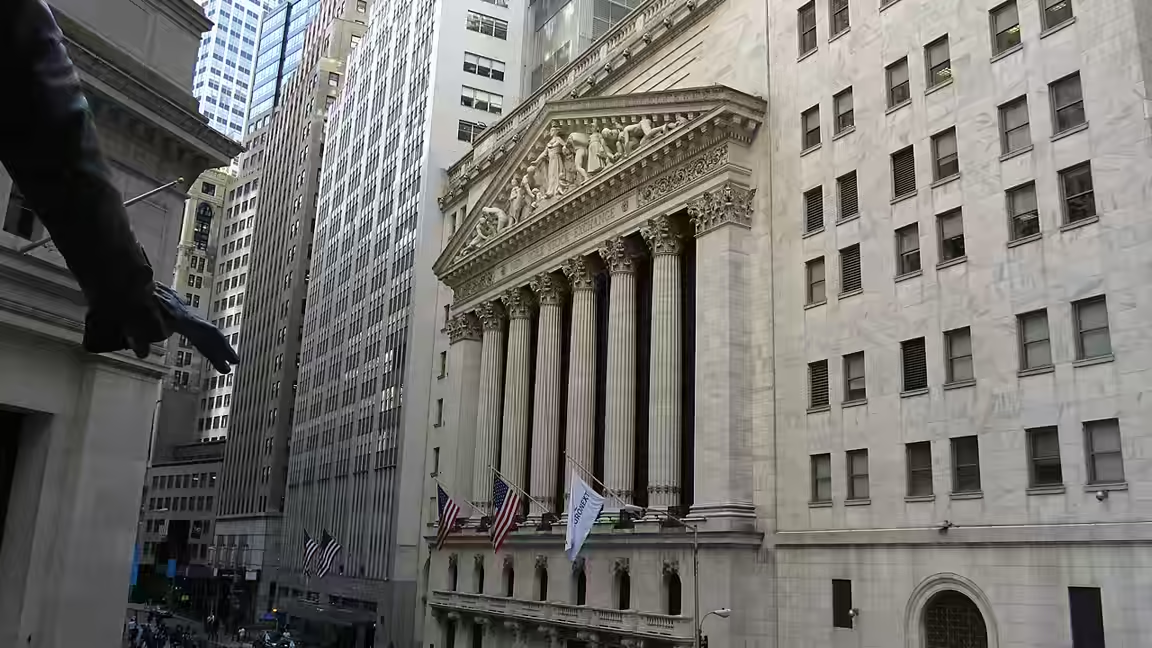
Markets responded quickly. Germany’s DAX fell 1.9%, France’s CAC 40 dropped 2.4% and the UK’s FTSE 100 lost 1.1% soon after the post. The report said U.S. futures also moved lower, with the S&P 500, Dow Jones Industrial Average and Nasdaq all under pressure before the bell. Oil prices and Treasury yields also fell.
The move deepens an already tense dispute over trade policy. Trump has long argued that Europe benefits unfairly from access to the American market, and the report said he repeated that position in his message, insisting that goods made in the U.S. are not subject to tariffs. The European Commission declined immediate comment while awaiting a call between trade officials.
The tariff threat arrived alongside a separate warning aimed at Apple. Earlier in the day, Trump said iPhones sold in the U.S. should be manufactured domestically rather than in India or elsewhere, and threatened a 25% tariff if that did not happen. That shows how the administration is widening pressure beyond one sector or one trading partner.
For investors, the critical issue is not just the headline number but the unpredictability. A 50% tariff would be severe by any normal trade standard and would affect a huge swathe of transatlantic commerce. Even the threat alone was enough to push European shares down sharply, reflecting concern about earnings, supply chains and consumer prices.
The report also shows how closely global markets are tracking Trump’s social media posts. He has turned tariff policy into a tool of direct announcement and immediate market impact, leaving little time for gradual adjustment. That style of policymaking creates its own volatility because businesses and traders must react before any formal negotiation or implementation.
Whether the tariff ever takes effect will depend on the next round of talks. But the immediate message from the market was clear: Europe sees the threat as material, and investors are treating it as another potential shock to trade and growth.