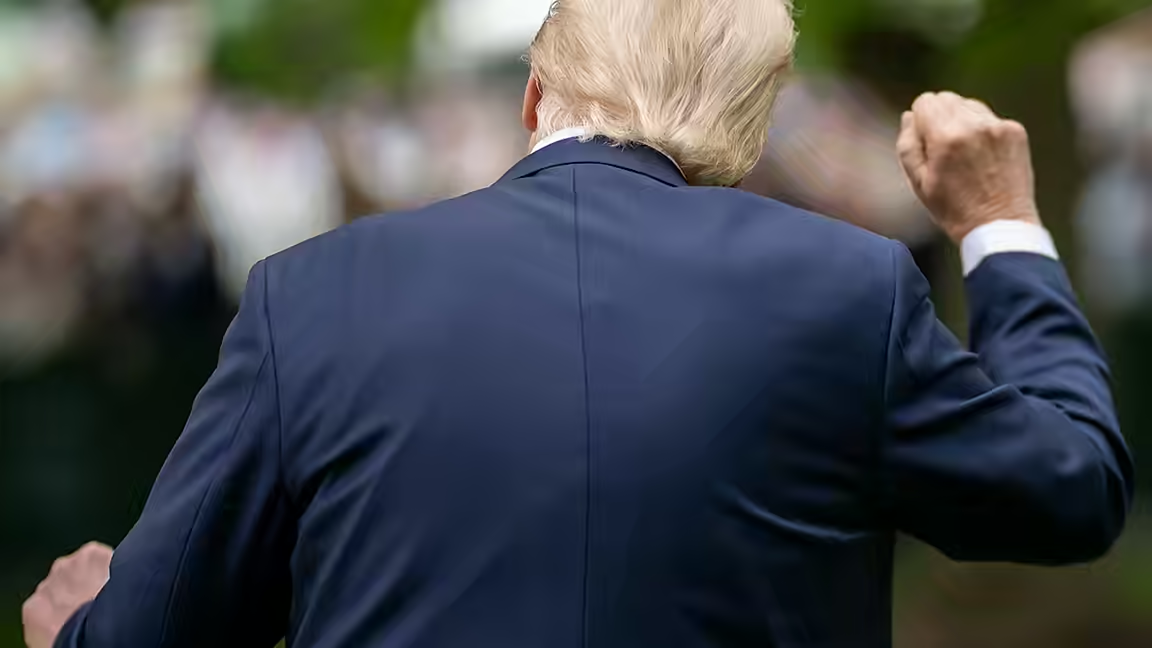
President Donald Trump threatened an additional 50% tariff on goods imported from China on April 7, escalating a trade campaign that had already prompted sharp falls in financial markets. NBC News reported that full implementation would bring total US tariffs on some Chinese goods to as much as 104%.
The proposed increase formed part of a broader plan aimed at US trading partners. A 10% baseline tariff had taken effect on Saturday, while the administration proposed duties exceeding 40% for some countries. Trump and senior White House officials showed no public sign on the event date that they planned to withdraw the measures.
The supplied extracts do not establish the discovery note’s claim that China had imposed a 34% tariff on all American goods or that Beijing was given a precise one-day deadline. Those details are therefore omitted. What the evidence does support is a proposed extra 50% US duty, a possible combined rate of 104%, and an escalating confrontation with China.
Investors respond to uncertainty
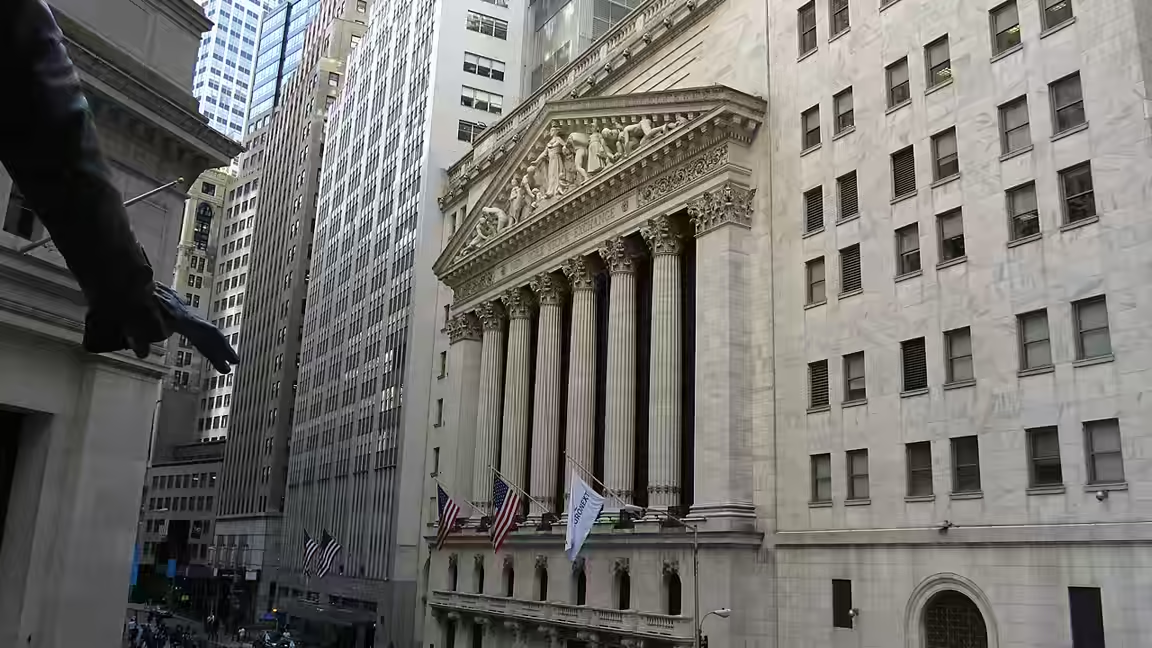
Investors extended a major stock sell-off as they assessed the scale of the tariff proposals. NBC described concern that the policy could reshape international commerce and reduce output both globally and in the United States. The supplied reporting does not establish that a recession or market collapse had occurred; those outcomes remained risks raised by critics.
CNBC highlighted criticism from Republican donor and billionaire investor Ken Langone. Its report characterised Trump’s tariff programme as threatening to impede international trade and creating risks of a market collapse and global recession. Those were warnings about potential consequences, not measured results of the policy on April 7.
The concern extended into Trump’s political and business coalition. Administration officials took calls and arranged private meetings with business groups seeking reassurance, NBC reported. Officials and allies pointed to the possibility of agreements with individual trading partners and argued that tax cuts could offset some of the economic damage feared by businesses.
A senior Senate Republican aide said lawmakers felt pressure to move quickly on tax reductions in order to give companies more certainty and support growth. The statement showed that tariff policy was already influencing the administration’s wider economic agenda, but the supplied evidence does not show that any such tax package had been enacted as part of the response.
China responds the following day
China’s formal response in the supplied evidence came on Tuesday, April 8, and is therefore a later development rather than information established on the April 7 event date. China’s Commerce Ministry said it firmly opposed the threat, defended its earlier countermeasures and said the country would “fight to the end” if Washington proceeded with the extra 50% duty.
Beijing described another escalation as compounding an earlier mistake. Its statement signalled resistance, while other countries were seeking negotiations with Washington, according to NBC’s live coverage. The evidence does not document a completed US-China settlement or a withdrawal of either side’s position.
The administration presented tariffs as an opportunity to remake the US economy and strengthen its leverage with trading partners. Critics focused on higher costs, disrupted commerce and the risk that retaliation could reduce growth. On April 7, neither outcome could be measured conclusively because much of the programme remained proposed or newly effective.
The immediate significance was the scale of the threat. An additional 50% duty on Chinese imports, layered onto existing and newly announced measures, could bring the total rate as high as 104%. Market losses and outreach to anxious business groups showed that the announcement was already affecting expectations, even before China issued its next-day rejection.