A Russian oil tanker broke in two during a storm in the Kerch Strait, leaving one crew member dead and spilling oil into the water, according to NOS. The report said the incident took place between mainland Russia and the occupied Crimean peninsula, about eight kilometers from shore, and that Russian authorities did not treat it as a military attack.
The tanker, identified as Volgoneft-212 in the production prompt, was carrying thousands of tons of fuel oil when the hull failed and the vessel partially sank. NOS said the ship had 15 people aboard. One of them was reported dead, while the rest appear to have been rescued. The rear section of the tanker was said to still be afloat after the break-up.
A second tanker was also damaged in the same storm and was left without control. That ship had 14 people on board, and authorities were still in contact with the crew at the time of reporting. The scale of the spill remained unclear, with officials and reporters alike saying the size of the leak had not yet been established.
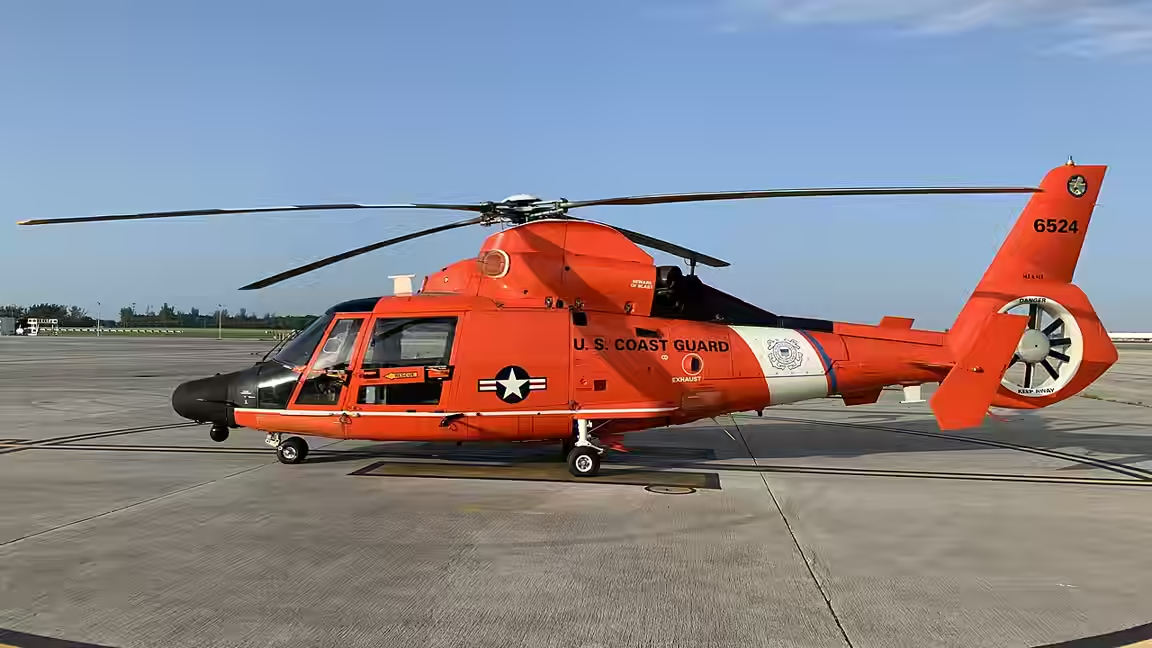
The weather conditions made the scene difficult for responders. According to the report, helicopters, rescue tugboats and other emergency assets were sent to the area. The combination of a fractured tanker, an oil release and a second disabled vessel suggested a fast-moving maritime emergency rather than a single isolated casualty event.
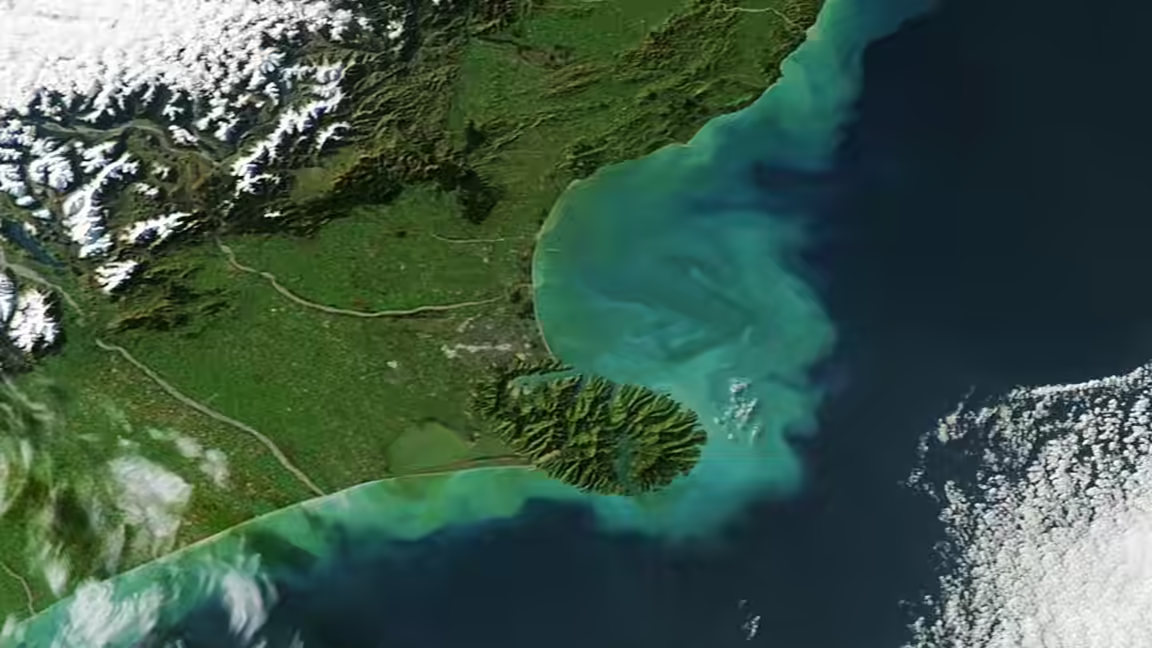
The Kerch Strait is one of the most sensitive waterways in the region because it links the Black Sea and the Sea of Azov and sits close to the conflict line around Crimea. In this case, however, the Russian authorities quoted by NOS said the damage was caused by the storm rather than any hostile action. The report did not say when the oil leak would be fully contained or how much of the fuel cargo had escaped.
For shipping and coastal authorities, the immediate questions were straightforward: how much oil had entered the water, how quickly the vessels could be stabilized and whether the damaged ships would remain in place or need a more complex salvage operation. NOS said the answer to at least one of those questions remained unknown at the time of publication, with the spill size still uncertain and the rescue effort ongoing.
The unresolved spill size and the second tanker's condition were what made the emergency urgent. If oil continued to leak, cleanup crews would need to juggle salvage and containment in a strait that is both narrow and heavily trafficked. NOS reported that the authorities had sent helicopters, rescue tugs and other assets, but it did not say when a final accounting of the cargo loss would be available. For coastal authorities, the immediate priority is likely to prevent the fracture from turning into a larger environmental incident.
For now, the story is one of containment and salvage. The report did not say whether authorities had stabilized the remaining section of the tanker, but the combination of a split hull and a drifting second ship suggests the clean-up operation could take time. With the spill size still unknown, the most important number may be the one not yet available: how much fuel oil actually reached the water.