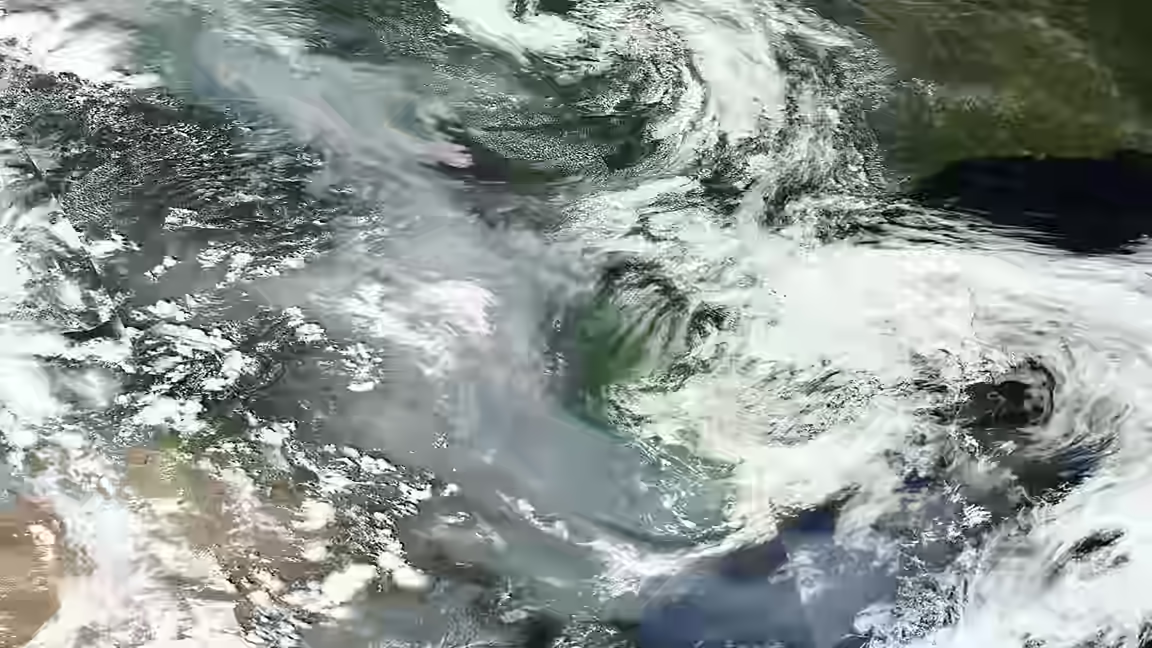
The Bicol peninsula endured the most severe effects. The national weather bureau said some areas received roughly a month’s rain in 24 hours, exceeding the level regarded as normal based on three decades of observations. Floodwater rose to the second floors of homes in some communities, leading stranded residents to post appeals for rescue from rooftops. The coast guard deployed rubber boats to reach people cut off by the water.
Heavy rain also generated lahars around Mount Mayon, an active volcano in Bicol. These flows of volcanic mud partly buried vehicles and reached the entrances of houses in villages near the mountain. In Albay province, acting governor Glenda Bonga said the severity of the rain had not been anticipated.
Trami carried winds of up to 95 kilometres per hour and was expected to leave Luzon’s northwest coast later on October 24. Even as it moved away, officials continued to warn of further intense rain, flooding, landslides and storm surges. A separate low-pressure system east of Bicol also had the potential to develop into a tropical depression by the end of the week, the weather bureau said.
Rescue operations were complicated by strong currents driven by the winds. In Bulacan province, west of Manila, teams searched for a fisherman whose boat sank. At least 12 flights were cancelled, adding transport disruption to the emergency.
The Philippines regularly experiences tropical cyclones, but forecasters described Trami’s rainfall as unusually heavy. The storm demonstrated how danger can extend well beyond the immediate landfall zone: rivers and drainage systems were overwhelmed, saturated slopes failed, and loose volcanic material around Mayon was mobilised into destructive mudflows.
Authorities’ immediate priorities were to reach residents isolated by floodwater, maintain evacuation sites and monitor areas exposed to additional rain. With Trami still influencing weather as it departed, the official warnings underscored that the end of the storm’s passage did not mean the end of the threat for communities already surrounded by water or unstable ground.
The effects reflected several hazards operating at once. Fast-rising water trapped residents inside buildings, landslides threatened settlements on saturated slopes, and lahars carried volcanic debris into communities around Mayon. Aviation and coastal activity were also disrupted. Rescue teams therefore had to work across flooded urban areas, inland terrain and rough near-shore waters rather than concentrating on a single impact zone.